
From ear to voice
At first it is only a noise you have not attached a meaning to. Then your ear starts picking out its pieces, your mouth learns to rebuild it, and you try saying it out loud in your own voice. Those four small steps repeat until the sound — once foreign — turns familiar.
-
 01
Listen tīng Catch the opening, the rime, and the pitch line that rides along with them. You do not need to remember any names yet — let your ear grow familiar first; the knowledge will come later.Initials · Finals · Tones
01
Listen tīng Catch the opening, the rime, and the pitch line that rides along with them. You do not need to remember any names yet — let your ear grow familiar first; the knowledge will come later.Initials · Finals · Tones -
 02
Assemble hé The initial slides into the final, the tone settles on top. The matrix shows you which combinations actually exist in Chinese — and which ones never do.411 syllables · 1,307 toned
02
Assemble hé The initial slides into the final, the tone settles on top. The matrix shows you which combinations actually exist in Chinese — and which ones never do.411 syllables · 1,307 toned -
 03
Dissect chāi Stuck on a sound? Look at it more closely: hear each tone, check the mouth shape, and keep one easy memory hook for the next time you meet it.Try it: open “zhi”
03
Dissect chāi Stuck on a sound? Look at it more closely: hear each tone, check the mouth shape, and keep one easy memory hook for the next time you meet it.Try it: open “zhi” -
 04
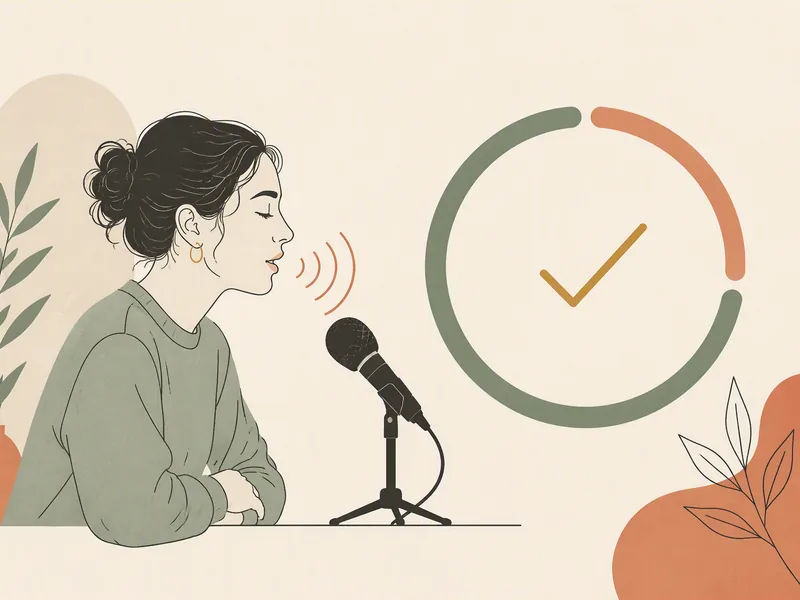
Speak shuō Read after the model, record yourself, then listen back to your own voice. Each round you only need to choose one small thing to fix — progress here is built out of pieces exactly that small.Hear the model · Record · Listen back
04
Speak shuō Read after the model, record yourself, then listen back to your own voice. Each round you only need to choose one small thing to fix — progress here is built out of pieces exactly that small.Hear the model · Record · Listen back
- 21initials across six mouth-shape groups
- 41finals, from simple vowels to nasal rimes
- 5tones on a five-level pitch scale
- 411syllables in the full combination table