Learning path · 4 stages
Four stages, from the friendliest sound to the hardest
Do not dump the whole Pinyin table into one sitting. Each stage is a small job: hear a few sounds, check the mouth shape, shadow them — then move on. Click a stage to open exactly that group on the matrix.
Four micro-milestones
Stage 1 → stage 4, one focus each
The order is not a hard rule, but it moves from what your ear already has (sounds close to English) to what you have to build from scratch (aspiration, tongue curl, pitch).
How to walk one stage
The same four steps every time
One loop, different content. Keep this order and a stage takes about ten minutes.
Hear the layer
Open the stage's initials or finals and listen to the standard take first — do not read along yet.
Inspect the slow take
Play the slow version for exactly the sounds you cannot tell apart, then read that sound's mouth shape and memory hook.
Assemble on the matrix
Move to the matrix, filter by the stage you are on, and click a few cells to hear the finished syllable.
Daily rhythm
Ten minutes a day, ten sounds per round
Pronunciation is a mouth-muscle skill, not a memory skill. A little out loud every day beats one two-hour session a week.
Do not learn the whole table in one sitting
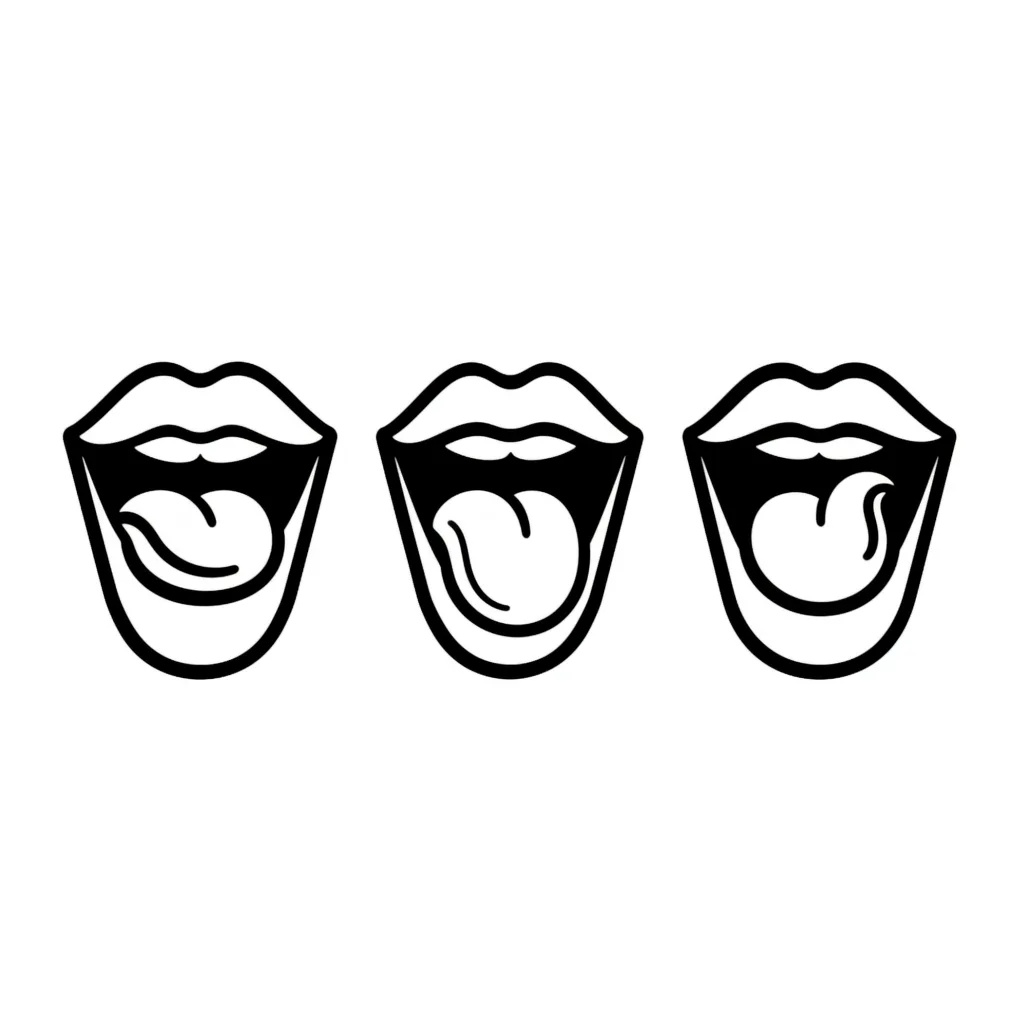
The three tongue positions in the picture are the groups learners mix up most: z c s (tip low behind the teeth), zh ch sh r (tip curled up to the roof of the mouth) and j q x (tongue surface against the hard palate). Take one group a day, read it slowly, then speed up. Once your mouth knows the shape, speed comes on its own — rush it and you are only rehearsing your old habit.