Layer 1 · Initials (声母)
21 onsets — six mouth-shape groups
Initials decide the "launch" of a syllable. Most learners confuse three axes: aspirated vs unaspirated (b–p, d–t, g–k…), tongue place (z–zh–j, c–ch–q, s–sh–x) and vocal-fold buzz (r). Every card below carries dual-speed audio of the call-name sound (呼读音), a mouth shape, a memory hook and a few sample syllables you can click. Soft-gold cards mark initials that appear in common syllables — the same colour convention as the matrix.
Six groups by place of articulation
Every group ships with a twin pair
Learn by group so your ear can compare two neighbouring sounds. Click any sample syllable inside a card to open that syllable's dissection space.
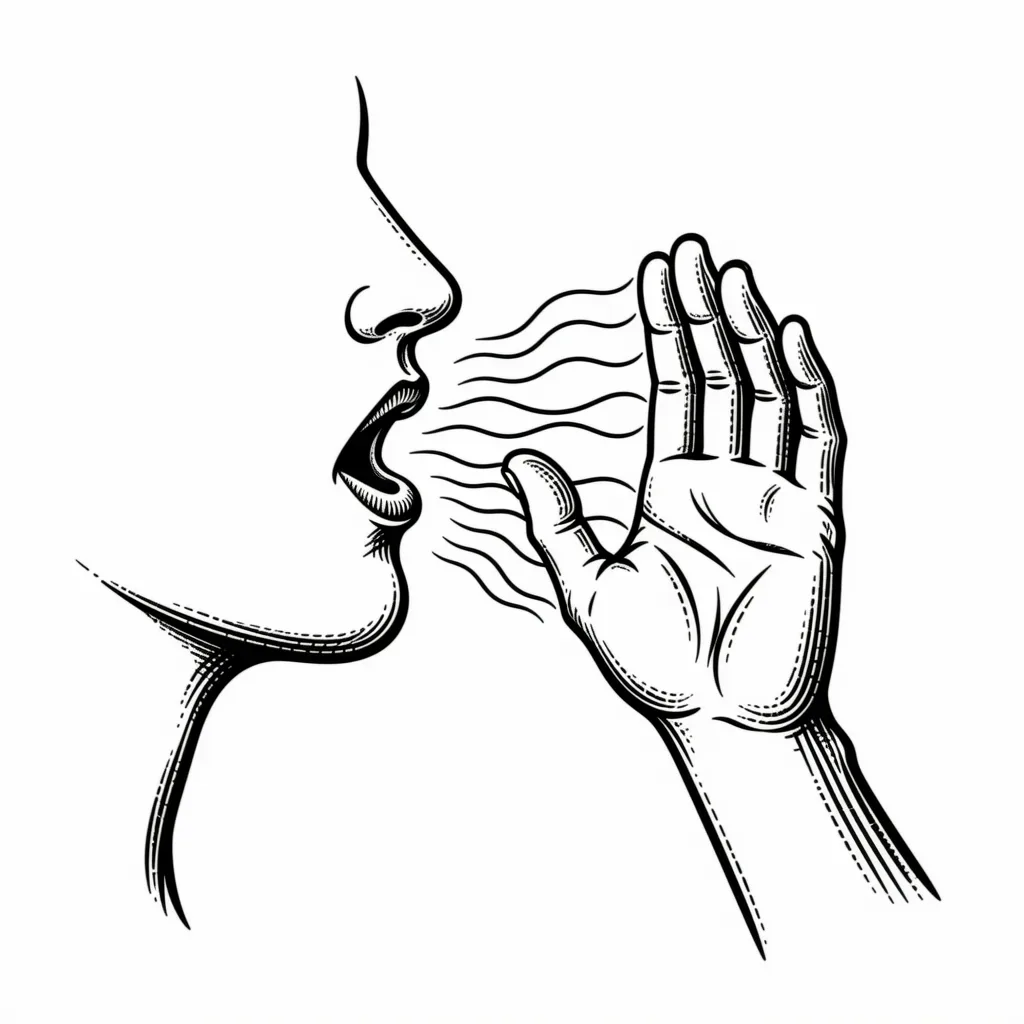
The hand test — your aspiration detector
Hold your palm 10 cm from your mouth. Say b, d, g, j, zh, z: almost nothing reaches your palm. Say p, t, k, q, ch, c: a puff of wind hits it. Those pairs differ by exactly that puff — and untrained ears simply do not hear it. Let your hand hear it for a few weeks and your ears will catch up.
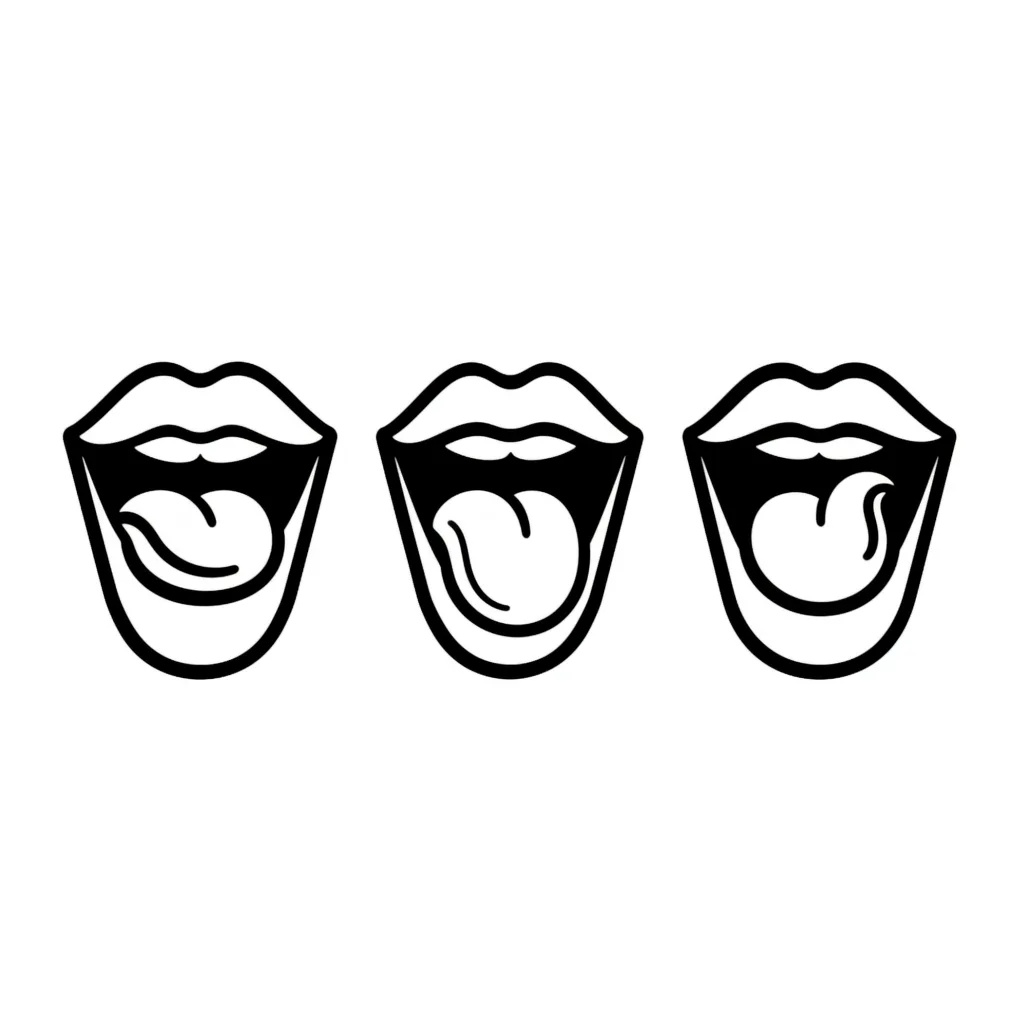
Three tongue positions, do not mix them up
z c s — tip low behind the lower front teeth. zh ch sh r — tip curled up to the hard palate. j q x — tongue surface against the hard palate, tip down behind the lower teeth. Put a finger on your chin and read slowly: if the chin dips slightly with each sound you are doing it right; if your whole jaw tenses up, you are pushing the whole tongue instead of just the tip.